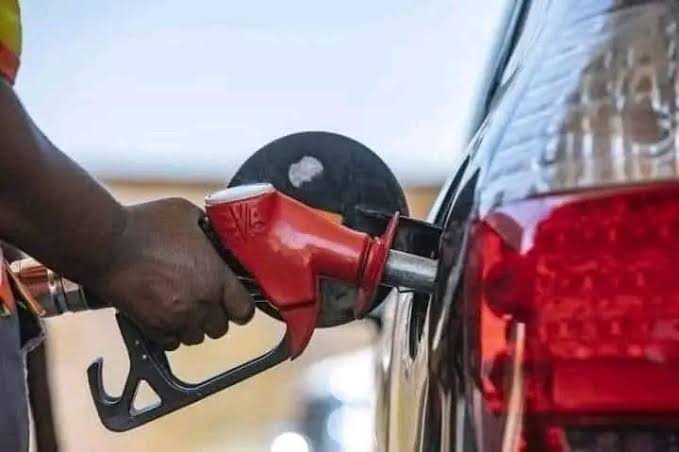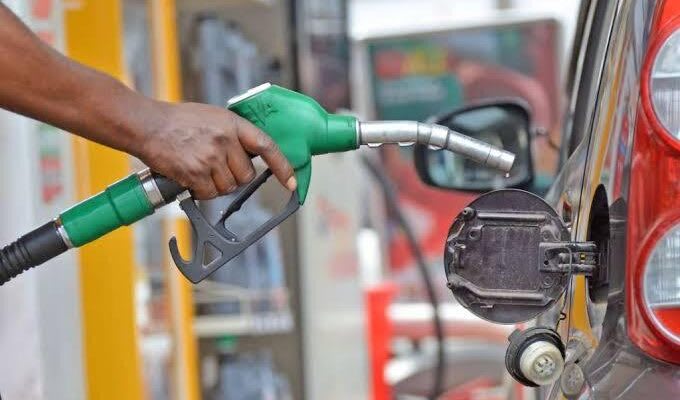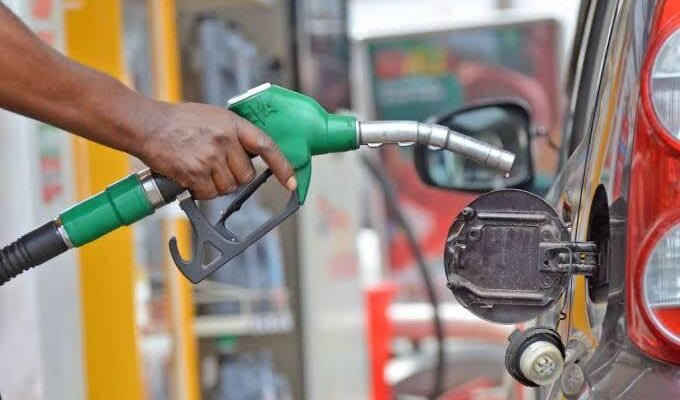
Petrol rises to K31.46, diesel to K33.27 per litre
Fuel is getting noticeably more expensive from tonight.
The Energy Regulation Board (ERB) has raised petroleum prices for October, with petrol increasing by K6.17 per litre and diesel by K6.41.
The new prices take effect at midnight on 30 September 2026.
Petrol will now cost K31.46 per litre, up from K25.29, while diesel rises to K33.27, from K26.86.
Kerosene increases from K27.02 to K29.76, while Jet A-1 rises from K28.71 to K31.85.
So, what happened?
The ERB points to three things: higher international oil prices, a weaker kwacha and the return of excise duty.
During the review period, the average international price of petrol increased from US$104.94 to US$121.58 per barrel. Diesel also rose, from US$150.92 to US$160.88.
At the same time, the kwacha weakened against the US dollar, moving from K19.28 to K19.76 per dollar.
Together, those movements increased the cost of petroleum imports.
But there is another part of the story.
The tax relief is ending
From April to September, Government suspended excise duty on petroleum products and zero-rated VAT as part of measures to cushion consumers from higher fuel prices.
That helped keep pump prices lower.
Now the temporary relief period has ended.
Government has reinstated excise duty from October, although the ERB says VAT will remain zero-rated until 1 December 2026.
So October's increase isn't simply about what happened to oil prices internationally. The return of excise duty is also now showing up at the pump.
What does it mean for motorists?
Quite simply, filling up will cost more.
A 50-litre petrol tank will now cost about K1,573, compared with K1,264.50 under the September price.
For diesel, 50 litres will cost about K1,663.50, compared with K1,343 previously.
That's roughly K309 more for petrol and K321 more for diesel for a 50-litre fill-up.
And fuel prices rarely stay confined to the filling station.
Diesel is an important input for transport, agriculture, mining, construction and logistics. Higher fuel costs can therefore increase the cost of moving people and goods, with some of that pressure potentially feeding into prices elsewhere in the economy.
The ERB says its price-smoothing measures helped moderate the increase and that, despite the adjustment, Zambia's fuel prices remain competitive within the region.
For now, however, the immediate reality is simple:
From tonight, filling up costs more.
Source: Energy Regulation Board, October 2026 Petroleum Pump Price Review, 30 September 2026.