The pump-price increase will hit transport first, food next — but the bigger inflation risk may be the kwacha
Zambia’s latest fuel-price adjustment was hard to miss.
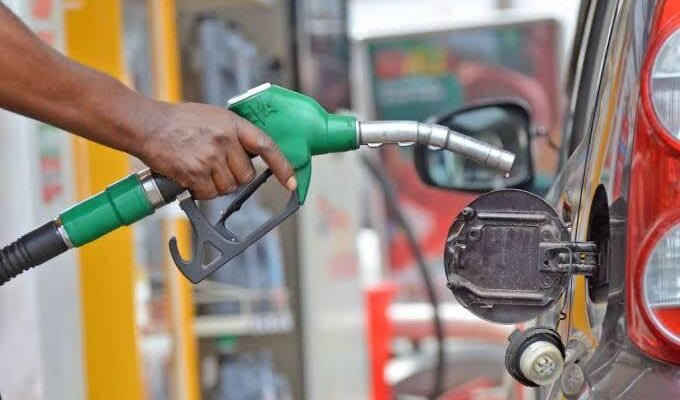
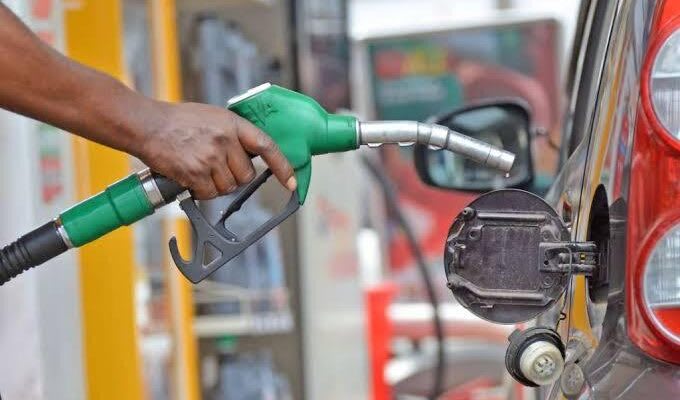
In September, petrol rose from about K25.29 to K31.46 per litre, while diesel increased from K26.86 to K33.27. That is roughly a 24% increase in pump prices in a single month.
The immediate question for households and businesses is straightforward: how much of that increase will eventually show up in the prices of everything else?
To get a sense of the answer, we analysed 15 years of Zambian data, covering fuel prices, inflation, food prices, the exchange rate, international oil prices and trade activity between 2011 and 2026.
The results suggest that fuel does matter — but its effect is slower and smaller than the size of the pump-price increase might suggest.
Fuel does push inflation higher
Our estimates indicate that a 1% increase in pump prices is associated with roughly a 0.07% increase in the overall price level within a year.
Applied to September’s roughly 24% increase, this translates into an estimated 1.5–1.7 percentage-point addition to annual inflation at the peak, assuming other factors remain unchanged.
That is meaningful.
With inflation at 6.1% in September, a fuel shock of this size could, on its own, push inflation towards the upper end of the Bank of Zambia’s 6–8% target range.
But it is important to put the estimate in perspective. Fuel is only one part of the inflation story.
The shock takes months to work through the economy
The impact of a fuel increase does not arrive everywhere at the same time.
First come transport costs.
Within the first few weeks, higher petrol and diesel costs begin feeding into bus fares, taxi charges and freight costs. Transport is the fastest channel through which the fuel shock appears in our analysis.
Food comes later.
Diesel is an input into the movement of maize, mealie meal, vegetables and other goods. It also affects milling, distribution and other parts of the supply chain.
As a result, food prices respond more slowly, with the effect building over several months.
Our estimates suggest that the overall inflation impact is largest at around five months after the initial fuel-price increase.
For the September adjustment, that points to early 2027 as a period when the fuel-related inflation pressure could be at its strongest.
Why households may feel it most at the market
For many households, the most important question is not what happens to the headline inflation rate. It is what happens to the price of food.
Food accounts for a significant share of household spending, making this channel particularly important.
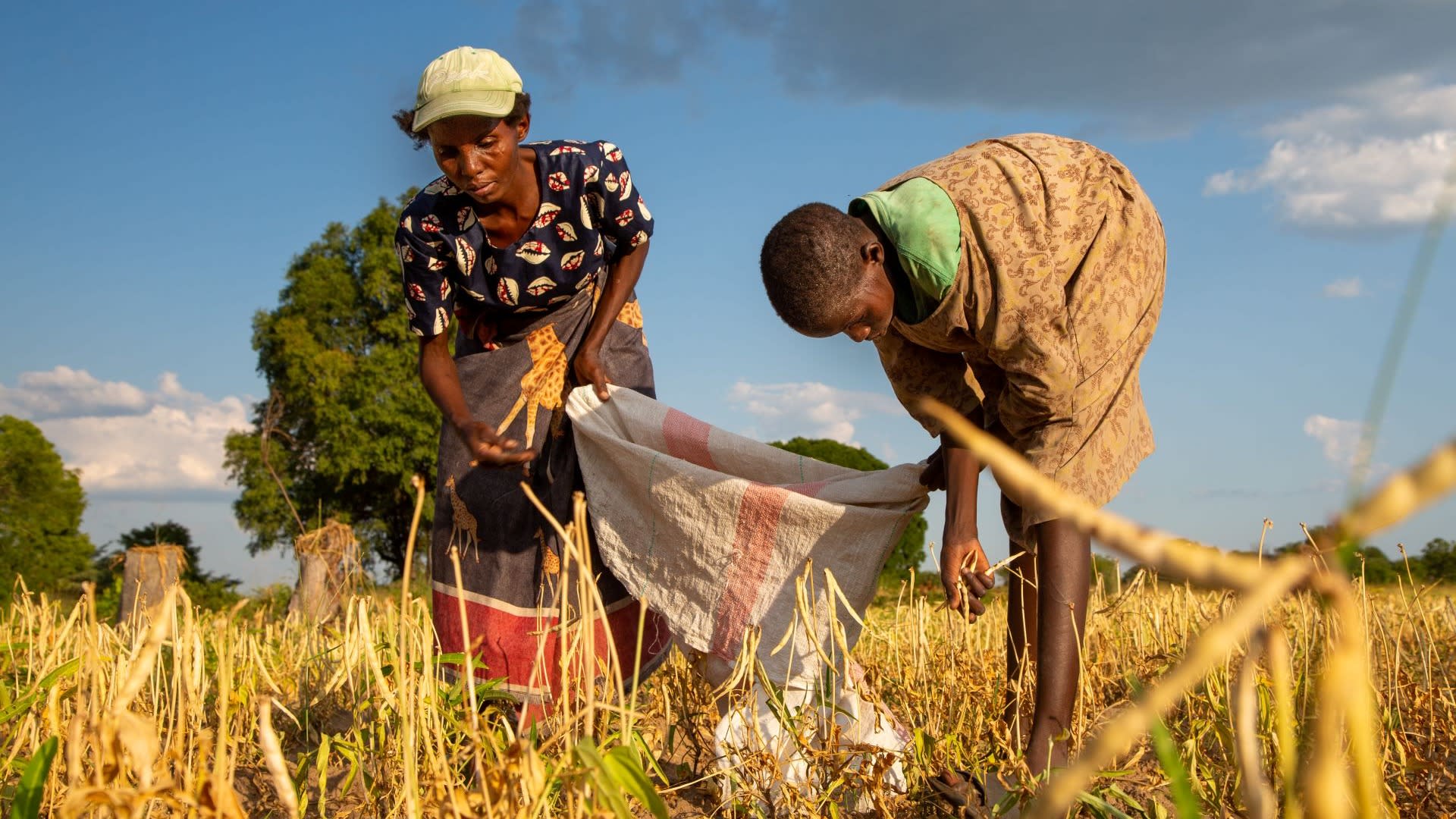
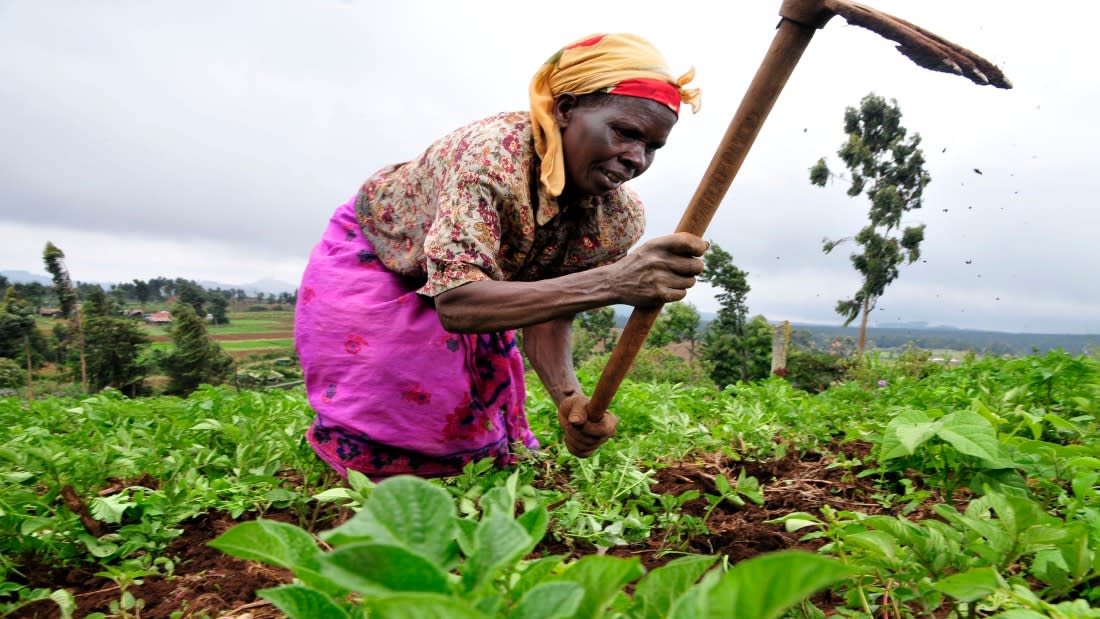
Using national average prices from ZamStats, our estimates suggest that a fuel increase of September’s magnitude could eventually add roughly K30–40 to the price of a 25 kg bag of roller mealie meal, from a current price of around K182.
But this is one of the areas where caution is particularly important.
Fuel is not the main determinant of the price of mealie meal. Maize availability, rainfall, harvests, stocks and other supply conditions can have much larger effects.
In a good harvest year, the fuel effect could be relatively small compared with favourable maize supply.
In a poor harvest year, however, higher fuel costs could add another layer of pressure.
When fuel prices fall, prices may not follow
There is another feature of the data that matters for consumers.
Fuel-price increases and decreases do not appear to have perfectly symmetrical effects.
When fuel prices rise, the resulting increase in costs tends to persist. When fuel prices subsequently fall, other prices do not necessarily fall by the same amount or at the same speed.
Transport operators, traders and retailers may reduce their costs, but prices across the economy can remain sticky.
This means a future reduction in pump prices should not automatically be interpreted as a reversal of the September increase in the cost of living.
The kwacha may be the bigger inflation story
Perhaps the most important finding from the analysis is that fuel prices are not the dominant driver of inflation in Zambia.
Our estimates suggest that changes in pump prices explain only around 2–3% of movements in inflation.
The exchange rate accounts for a considerably larger share, at roughly 15–23%.
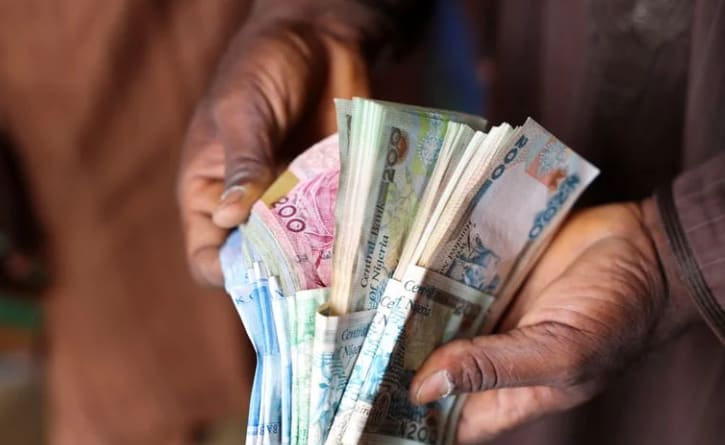
A 1% depreciation of the kwacha against the US dollar is estimated to raise consumer prices by about 0.3% over a year — roughly four times the estimated effect of a 1% increase in fuel prices.
Food-price shocks, particularly those linked to agricultural conditions, account for much of the remaining variation.
This distinction matters because the fuel price and exchange rate are closely connected.
Zambia imports its fuel and pays for it in foreign currency. When the kwacha weakens, the local-currency cost of importing fuel rises, putting pressure on pump prices.
That means an economy can face a double shock: a weaker kwacha raises the cost of imported goods while simultaneously making fuel more expensive.
Historical episodes illustrate the point. The sharp inflation increases of 2015–16 and 2020–22 coincided with substantial exchange-rate pressures, alongside other domestic and external shocks.
There is also a growth cost
The effect of higher fuel prices is not limited to inflation.
Businesses face higher transportation, production and distribution costs, while households have less money available for other spending.
Because Zambia does not publish monthly GDP figures, we constructed an economic activity indicator using variables including imports of production and consumer goods, copper prices and borrowing costs.
The indicator suggests that fuel-price increases are followed by a slowdown in economic activity over the subsequent two to seven months.
Firms may reduce purchases of inputs, while households cut back on discretionary spending.
The estimated effect is subject to considerable uncertainty, so it is better interpreted as evidence of a direction of impact rather than a precise forecast of how much GDP will fall.
What the September increase means
For households, the sequence is likely to be familiar: transport costs first, followed by broader price pressure — particularly food — over the following months.
For businesses, sectors that depend heavily on logistics, including agriculture, retail, distribution and construction, are likely to face the pressure early.
For policymakers, the fuel increase creates a meaningful inflation shock, but the wider picture is more complicated.
The bigger risk is not necessarily fuel prices in isolation. It is fuel prices rising at the same time as the kwacha weakens and food supply comes under pressure.
That combination would give inflation several channels through which to accelerate.
The September fuel adjustment therefore tells only part of the story.
The bigger question for Zambia’s cost of living in the months ahead may be what happens to the kwacha, food supply and the wider economy alongside the fuel price.
Note: These are model-based estimates using historical Zambian data from 2011–2026. They are not forecasts of actual future prices. The estimates assume other factors remain unchanged and carry uncertainty, particularly for individual food products.