Grow Zambia Has the Numbers. Now Comes the Hard Part
Zambia has a new set of numbers to chase.
10 million tonnes of maize.
10,000 megawatts of electricity.
Five million tourists.
Three million tonnes of copper.
Three million tonnes of soya beans.
One million tonnes each of wheat and sugar.
And a US$1 billion beef industry.
Together, they form the headline targets of the Grow Zambia Agenda.
The numbers are easy to remember.
The economics behind them are considerably harder.
The central question is no longer whether Zambia can announce ambitious production targets. It is whether the country can build the infrastructure, capital, productivity and institutions required to deliver them.
That distinction matters.
A target is not a strategy
There is nothing inherently wrong with ambitious targets.
In fact, one advantage of the Grow Zambia framework is that it puts numbers against a concept that is often discussed in vague terms: economic growth.
But a production target is an outcome, not an explanation of how the outcome will be achieved.
Take maize.
Getting to 10 million tonnes is not simply a question of planting more hectares. It depends on yields, irrigation, fertiliser, financing, storage, roads, markets and weather.
Copper presents a different version of the same problem.
Three million tonnes requires mines to invest, expand and develop new deposits. It also requires electricity, transport infrastructure, skills and capital.
Tourism needs airports, roads, hotels, attractions and international connectivity.
The targets may look separate on paper.
In the real economy, they are not.
Zambia cannot grow without power
Of all the numbers, 10,000 MW may have the widest implications.
Mining needs electricity.
Factories need electricity.
Irrigation needs electricity.
Cold storage needs electricity.
Digital businesses need electricity.
Households need electricity.
But there is an important distinction between installed generation capacity and electricity that businesses can actually rely on.
A megawatt on paper does not automatically mean reliable power at a factory.
Transmission and distribution therefore matter almost as much as generation.
The relevant question should be: how much reliable electricity can Zambia deliver to productive users, at what cost?
That is the number businesses will ultimately care about.
More copper is not the same as more wealth
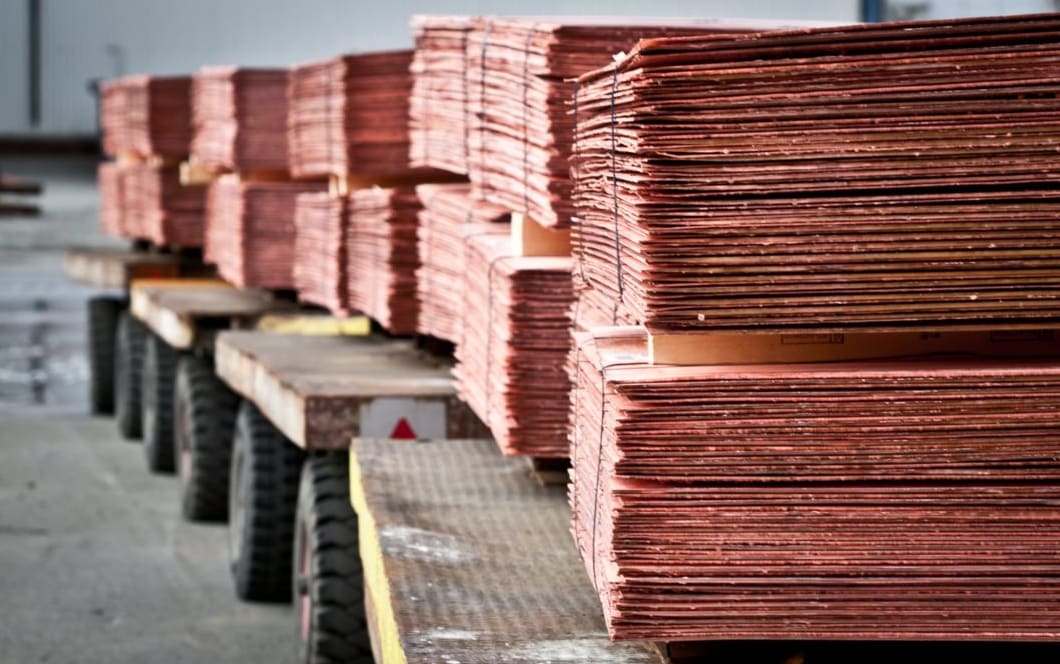
Copper is perhaps the clearest test of the agenda.
Zambia wants to significantly increase production, with three million tonnes forming one of the central targets.
That could substantially increase economic activity and export earnings.
But tonnes alone do not tell the whole story.
Who supplies the mines?
Where is the equipment manufactured?
How much is processed locally?
How much tax revenue is generated?
How many Zambian businesses become part of the supply chain?
And how much of the additional value remains in Zambia?
A bigger mining sector can be good for the economy while still leaving a large portion of the value chain outside the country.
That is why value captured, rather than simply tonnes produced, deserves to become part of the national conversation.
Agriculture has the same problem
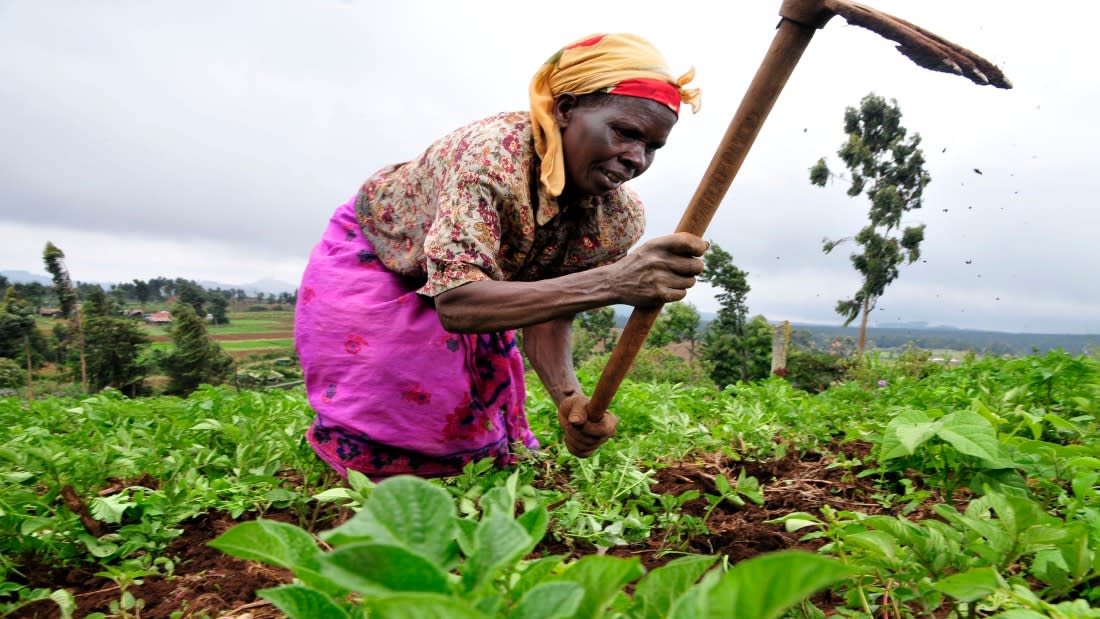
The agricultural targets are potentially more significant for ordinary households because agriculture reaches far beyond large companies.
More maize, soya, wheat, sugar and beef can mean more activity for farmers, transporters, processors, traders and manufacturers.
But producing more does not automatically mean earning more.
If production rises without sufficient storage, processing and export markets, farmers can face falling prices.
If farmers remain heavily dependent on imported inputs, the domestic economic benefit can be reduced.
And if production remains overwhelmingly rain-fed, climate variability remains a major risk.
The question, therefore, is not simply whether Zambia can produce 10 million tonnes.
Can it produce them consistently, competitively and profitably?
Then comes the money
There is another uncomfortable question.
Who is going to pay for all this growth?
Zambia's fiscal space remains limited.
Government has committed to fiscal discipline and debt sustainability while simultaneously seeking greater investment in infrastructure.
That means the private sector will have to play a much larger role.
But private investment does not arrive simply because a government announces a target.
Investors look at electricity, roads, financing costs, taxes, regulation, foreign exchange, skills and the predictability of policy.
The Grow Zambia Agenda therefore depends partly on something that is not contained in the headline numbers:
whether Zambia becomes a more predictable and commercially attractive place to invest and produce.
And then there is the jobs question
This may ultimately be the most important test.
Suppose Zambia produces substantially more copper.
Suppose agricultural output doubles.
Suppose tourist arrivals increase.
What happens to employment?
What happens to household incomes?
What happens to productivity?
What happens to the cost of living?
GDP can increase without every household experiencing the same improvement.
A mine can generate billions of dollars in output without employing millions of people.
Agriculture and agro-processing, by contrast, can potentially connect growth to much larger numbers of households.
This means the composition of growth matters almost as much as its size.
Watch the gaps, not just the targets
The Grow Zambia Agenda will become much more useful as an economic management tool if the headline targets are accompanied by a public scoreboard.
Not just:
Target: 10 million tonnes.
But:
Baseline → annual target → actual production → gap → reason for gap → corrective action.
The same should apply to electricity, copper, tourism and agriculture.
That would turn the agenda from a political slogan into something closer to a management system.
It would also make it easier to distinguish between a temporary setback and a structural problem.
If maize misses its target, is the problem rainfall?
Irrigation?
Finance?
Inputs?
Storage?
Markets?
If copper misses its target, is it investment?
Power?
New mine development?
Regulation?
The numbers tell us what happened.
Good economic management should help explain why.
The real Grow Zambia test
There is a temptation to judge the agenda by whether the headline numbers are reached.
That is necessary, but it is not sufficient.
A stronger test is whether Zambia becomes a more productive economy along the way.
Are businesses investing?
Are yields increasing?
Is electricity becoming more reliable?
Are exports becoming more diversified?
Are local supply chains developing?
Are more people moving into productive employment?
Are household incomes rising faster than the cost of living?
Those indicators will tell us considerably more about economic transformation than a single production figure.
Grow Zambia has put some very large numbers on the table.
Now comes the less glamorous part.
Building the roads. Finding the capital. Expanding the power system. Raising productivity. Fixing bottlenecks. Attracting investment. Developing skills. And making the numbers move.
The targets are ambitious.
The real story will be in the gap between where Zambia is now and where it says it wants to be.
That gap is where Grow Zambia will either become an economic transformation programme — or remain a list of targets.
And that is the part worth watching.