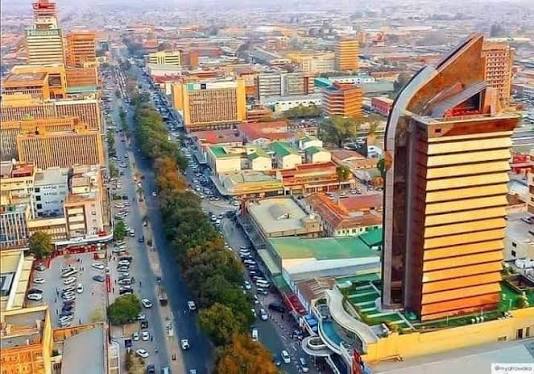
There is no single version of Lusaka.
There is the Lusaka of Cairo Road, where the city moves at full speed. There is the quieter Lusaka of Kabulonga and Roma, where leafy streets give way to cafés, restaurants and residential compounds.
There is the weekend Lusaka of malls, craft markets and brunches. And then there is the Lusaka that heads out towards Leopards Hill, Chilanga or beyond the city altogether when the need to escape becomes stronger than the desire to stay home.
That mix is what makes the capital interesting.
Lusaka is modernising quickly, but it remains unmistakably Zambian — informal and formal, traditional and contemporary, chaotic and increasingly polished, often within a few kilometres of each other.
Start in the City Centre
If you want to understand Lusaka rather than simply pass through it, start downtown.
Cairo Road and the surrounding streets remain among the busiest parts of the capital, with shops, banks, traders, bus stations, markets and street-side businesses creating a very different experience from the city's suburban shopping centres.
The Lusaka National Museum on Independence Avenue offers another entry point into the city's history, while the Freedom Statue and surrounding central areas provide reminders of the political history that shaped modern Zambia.
And then there are the markets.
Soweto Market, Pakati Market and Lusaka Food Market offer a much more everyday version of the city — produce, clothing, food, household goods and plenty of bargaining. They are not polished lifestyle destinations, but that is precisely the point.
This is where Lusaka feels most like itself.
Kabulonga: The Social Lusaka
Move away from the centre and the mood changes.
Kabulonga has become one of the better-known addresses for Lusaka's restaurant, café and social scene. The area combines established residential neighbourhoods with restaurants, lounges, shops and smaller lifestyle businesses.
Places such as The Sanctuary Restaurant offer one version of this more relaxed dining culture, while nearby cafés and independent businesses give the area plenty of options for a slower lunch or evening out.
For many Lusaka residents, this is the part of the city where a quick meal can easily become a three-hour conversation.
And nobody seems particularly surprised.
Roma and Woodlands: Quiet Streets, Busy Weekends
Roma has a more residential feel, but its location puts it close to some of Lusaka's major shopping and entertainment areas.
It is also part of the wider northern Lusaka lifestyle belt that includes Woodlands, Kabulonga, Arcades and Manda Hill.
Woodlands, meanwhile, has developed its own collection of shopping centres, cafés and restaurants, giving residents plenty of reasons not to travel across town for every errand.
This is also where you start to see another side of modern Lusaka: people working from cafés, meeting friends over coffee, grabbing lunch between meetings or simply looking for somewhere to spend an afternoon.
For coffee, places such as Peaberry Coffee Roasters have become part of that growing café culture.
The Mall Has Become a Lifestyle
Lusaka's malls are no longer just places to buy groceries.
EastPark Mall, Manda Hill Shopping Mall, Arcades Shopping Mall and Levy Junction have become important parts of the city's social infrastructure, combining retail, restaurants, entertainment and spaces to meet.
EastPark Mall sits along Great East Road and has become a familiar meeting point for shoppers, families and young people.
Manda Hill Shopping Mall remains another major shopping and entertainment destination.
Arcades Shopping Mall is particularly associated with its Sunday craft market, where local traders and artisans bring a different energy to the shopping-centre environment.
And Levy Junction Shopping Mall adds another major retail and dining destination along the Great East Road corridor.
The interesting thing is that malls have become less about shopping alone.
They are where people meet.
Lusaka's Coffee Culture
There was a time when meeting someone for coffee in Lusaka was a fairly straightforward affair.
Today, there are considerably more choices.
From established coffee shops around Arcades and Rhodes Park to newer cafés scattered across Kabulonga, Woodlands and other neighbourhoods, coffee culture has become part of the city's emerging professional lifestyle.
Wiseapple Coffee Shop is one of the city's options for those looking for a quieter café setting, while Cookies & Coffee at Arcades is another familiar stop.
It is a small change, but an interesting one.
The café is increasingly becoming the unofficial office, meeting room and social club of Lusaka's young professionals and entrepreneurs.
A City With an Art Scene
Lusaka's creative scene is easy to miss if you only visit malls and restaurants.
But there is a growing network of galleries and cultural spaces.
37d Gallery in Kabulonga provides space for contemporary African art and exhibitions.
Lechwe Trust Art Gallery is another important part of Lusaka's art landscape, while Henry Tayali Gallery at the Showgrounds carries the name of one of Zambia's most recognised artists.
There is also Kabwata Cultural Village, which remains an important place to encounter Zambian crafts and locally produced art. Zambia's tourism authorities continue to highlight it alongside the National Museum and Lusaka Playhouse as cultural attractions in the capital.
For a city that is often described through business, politics and traffic, the creative side of Lusaka deserves more attention.
And Then There Is the Food
Lusaka's food scene is increasingly diverse.
You can have traditional Zambian food, Indian cuisine, Chinese food, Italian-style pizza, steak, burgers, coffee and contemporary restaurant fare without travelling particularly far.
Marlin Restaurant remains one of the city's established dining names, while newer restaurants and cafés continue to expand the options.
In areas such as Kabulonga, Rhodes Park, Arcades and the Great East Road corridor, dining has become as much about the experience as the food itself.
And perhaps that is the bigger change.
Eating out in Lusaka is increasingly part of the city's social calendar rather than simply something you do when you don't want to cook.
When You Need to Get Out
Eventually, every Lusaka resident reaches the same conclusion: sometimes you simply need to leave Lusaka.
Fortunately, you don't have to travel very far.
Munda Wanga Environmental Park in Chilanga offers gardens, wildlife and space away from the city's traffic.
Closer to the city, Lusaka National Park provides an opportunity to experience wildlife without committing to a full safari.
For families and groups looking for something different, Kalimba Reptile Park offers another day-out option.
And along Leopards Hill Road, Monkey Pools is one of the recreational spots that has become part of Lusaka's weekend-outing culture.
For those prepared to go a little further, the countryside around Lusaka opens up even more possibilities for resorts, farms, wildlife and outdoor activities.
The Lusaka Weekend
So what does a Lusaka weekend actually look like?
It could start with coffee in Woodlands.
Then a late breakfast or lunch in Kabulonga.
An afternoon at an art gallery.
A walk through the craft market at Arcades.
Dinner somewhere around Rhodes Park or Kabulonga.
And, if energy levels permit, an evening out.
Or it could mean something completely different: a Saturday morning drive out of town, lunch somewhere quieter and a return to Lusaka before the evening traffic builds up.
That flexibility is part of the appeal.
Living With the Traffic
Of course, there is one unavoidable part of the Lusaka lifestyle: getting around.
The city's growing population and expanding suburbs have made mobility an increasingly important part of everyday life.
A trip that looks short on a map can become considerably longer during peak hours.
Public buses and minibuses remain important for many residents, while taxis, ride-hailing services and private vehicles fill other parts of the transport market.
For people who drive, knowing the city's routes — and when to avoid them — can sometimes be as useful as knowing where to eat.
Lusaka is a city where distance is measured not only in kilometres, but sometimes in traffic.
The New Lusaka
The most interesting thing about Lusaka may be that there is no single definition of what modern living in the capital looks like.
For one person, it is a new apartment, a gym membership and Saturday brunch.
For another, it is a market stall, a minibus ride and a busy trading day.
For a young entrepreneur, it might be working from a café before heading to a networking event.
For a family, it might be school runs, shopping at Manda Hill and a Sunday afternoon at Munda Wanga.
All of these are Lusaka.
The capital is becoming more modern, but it isn't replacing the city that existed before.
It is layering something new on top of it.
And perhaps that is the real pulse of Lusaka — a city where Cairo Road and Kabulonga, Soweto Market and EastPark, art galleries and roadside traders, cafés and compounds, traffic and weekend escapes all exist within the same constantly changing urban story.
This is modern Lusaka. It is busy, imperfect, increasingly sophisticated — and very much its own.