Zambia enters the second half of 2026 at an important turning point. After several years dominated by debt distress, restructuring, drought and severe electricity shortages, the economy is showing clearer signs of stabilisation. Yet the central economic question has changed. It is no longer simply whether Zambia can restore macroeconomic stability, but whether that stability can be translated into sustained investment, productive employment and higher living standards.
The recovery remains uneven. The International Monetary Fund (IMF) currently projects real GDP growth of about 4.3% in 2026, following an earlier forecast of 5.8%. The downward revision reflects weaker mining output, the normalisation of agricultural production after the exceptional 2025 harvest, softer trade activity and continuing energy constraints.
The World Bank's May 2026 outlook is somewhat more optimistic over the medium term, projecting average growth of around 4.7% between 2026 and 2028, with agriculture, mining, industry and services providing the main sources of expansion.
The difference between these forecasts is important. It illustrates that Zambia's recovery is real, but still highly sensitive to the performance of a few critical sectors—particularly mining, agriculture and energy.
The debt crisis is giving way to fiscal normalisation
Perhaps the most significant economic development of recent years has been Zambia's progress in restructuring its public debt.
Following its sovereign default during the COVID-19 period, Zambia embarked on one of Africa's most complicated debt restructuring processes. Agreements covering a large proportion of external debt have now been reached, substantially reducing the immediate pressure on government finances.
The World Bank estimates that public debt declined from 133.4% of GDP in 2023 to about 93.4% in 2025, following progress on restructuring roughly 94% of external debt.
This is an important improvement, but it should not be interpreted as the end of Zambia's debt problem. Debt service remains a major constraint on public finances, while the government must simultaneously finance infrastructure, social services, energy investment and economic development.
The next phase therefore requires fiscal discipline without sacrificing productive public investment.
Copper remains the centre of gravity
Zambia's economic story in 2026 remains inseparable from copper.
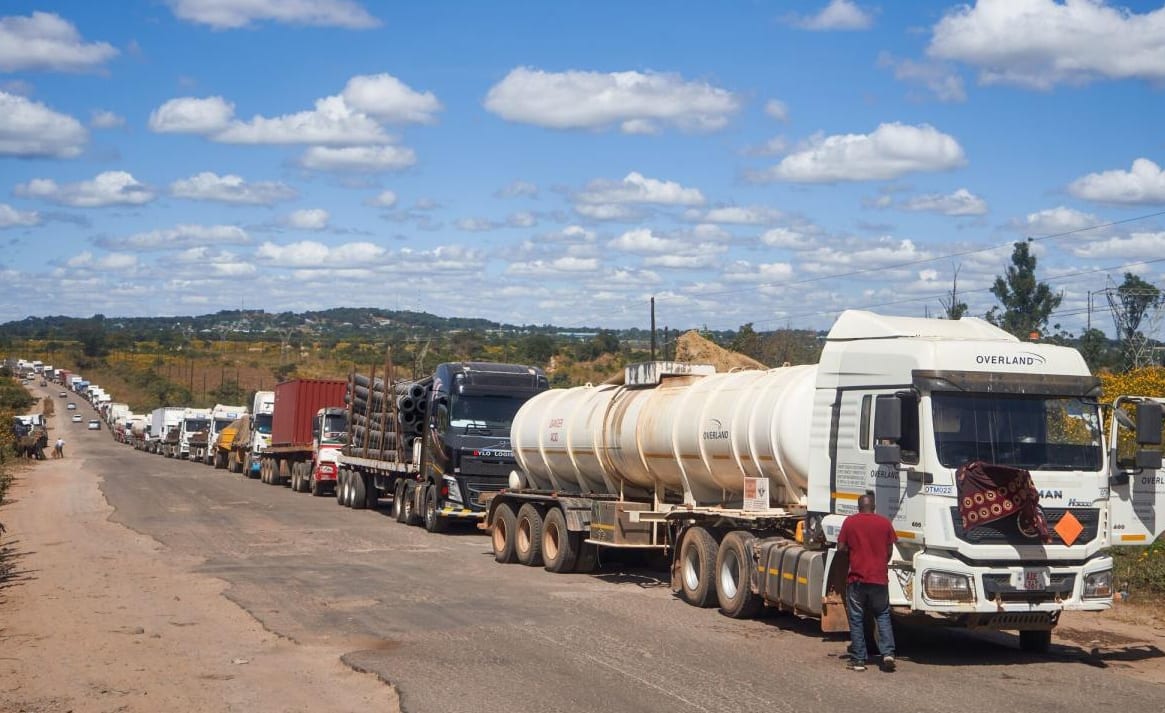
Copper accounts for roughly 70% of Zambia's export earnings and more than 10% of GDP, making the sector both an enormous opportunity and a continuing source of vulnerability.
Global demand for copper is being strengthened by electrification, renewable energy, electric vehicles, data centres and broader investment in electricity infrastructure. This gives Zambia an unusually favourable long-term position as one of Africa's major copper producers.
Government has set an ambitious objective of increasing copper production towards 3 million tonnes annually by 2031. Achieving this would represent a substantial expansion of Zambia's productive capacity.
But production targets alone will not transform the economy.
The larger opportunity is to develop a domestic ecosystem around mining: engineering services, manufacturing, logistics, geological services, technology, financial services, processing and specialised human capital.
The question for Zambia is therefore moving from how much copper can we produce? to how much economic value can we build around copper?
Electricity remains the binding constraint
If copper is Zambia's greatest external opportunity, electricity remains one of its most important domestic constraints.
The 2023–24 drought exposed the vulnerability of Zambia's heavy dependence on hydropower. Low water levels resulted in severe load-shedding, affecting households, businesses, mines and agricultural production.
Although electricity generation has been recovering, the episode demonstrated that energy security must become a central component of economic policy rather than simply an infrastructure issue.
For Zambia to industrialise, it needs reliable and competitively priced electricity.
This creates opportunities in solar generation, battery storage, transmission infrastructure, mini-grids and other forms of distributed energy. It also creates an opportunity to rethink the architecture of Zambia's electricity system, particularly for rural communities and productive enterprises located away from the national grid.
Agriculture is recovering—but remains vulnerable
Agriculture provides another major source of growth and employment.
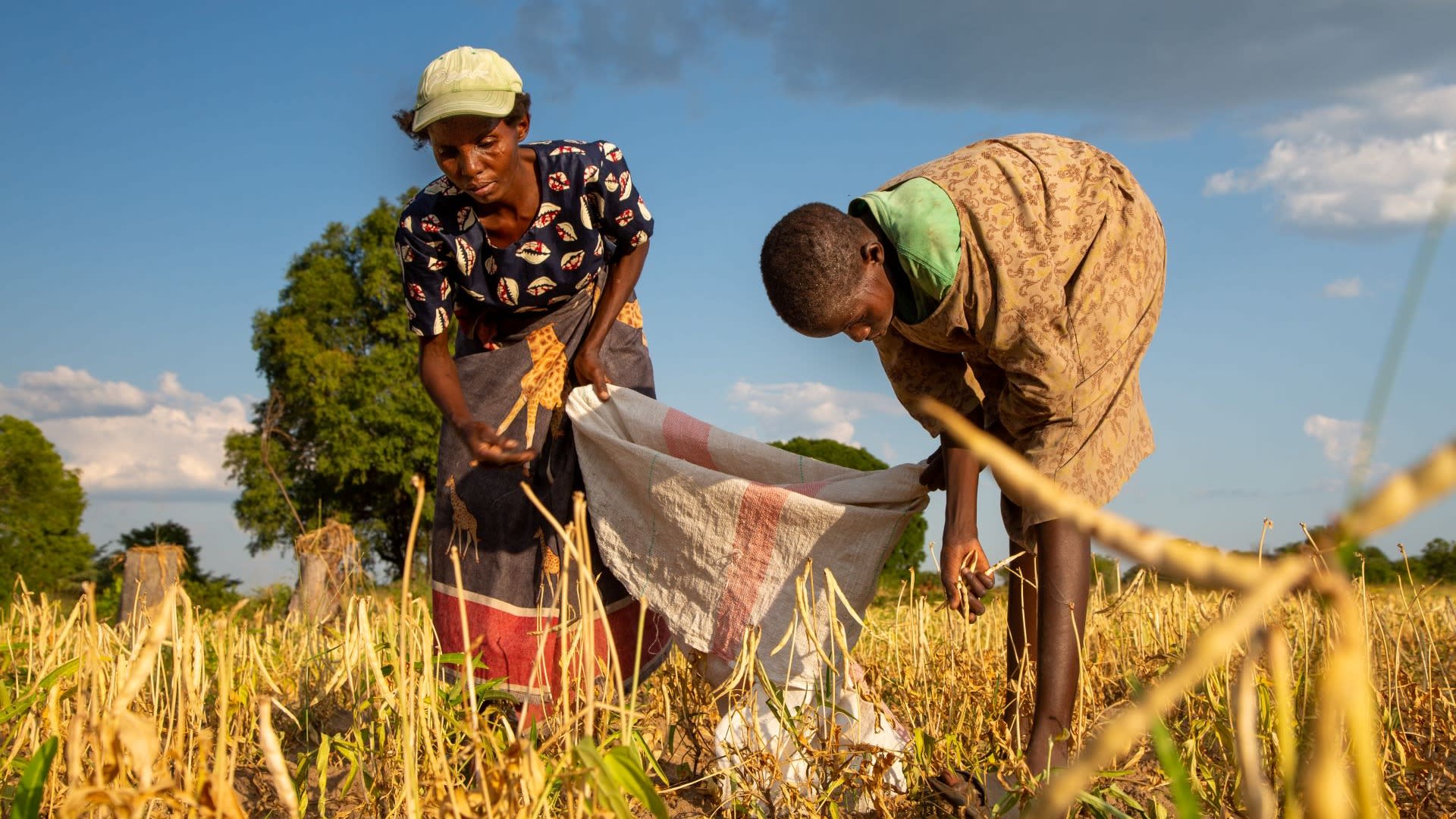
Following the severe drought, Zambia recorded a strong agricultural recovery, including a record maize harvest in 2025. However, the exceptional performance of 2025 also creates a statistical challenge for 2026: agricultural growth is likely to normalise as the base effect fades.
More importantly, agriculture remains highly exposed to rainfall variability.
The long-term challenge is therefore not simply increasing maize production. Zambia needs to raise agricultural productivity through irrigation, storage, agro-processing, digital agriculture, improved inputs, rural infrastructure and stronger links between farmers and markets.
Agriculture could become considerably more important to Zambia's economic transformation if more of the value chain is retained domestically.
Inflation and the cost of living remain important
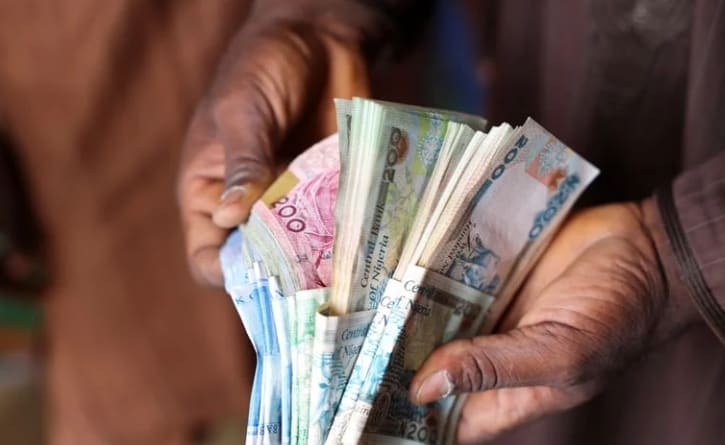
Macroeconomic stabilisation has also improved the inflation outlook, although price pressures remain significant for households.
The IMF's current 2026 projection places consumer-price inflation at approximately 9%, with inflation expected to move gradually towards the Bank of Zambia's 6–8% target range.
For households, however, the experience of inflation is not captured fully by the headline number.
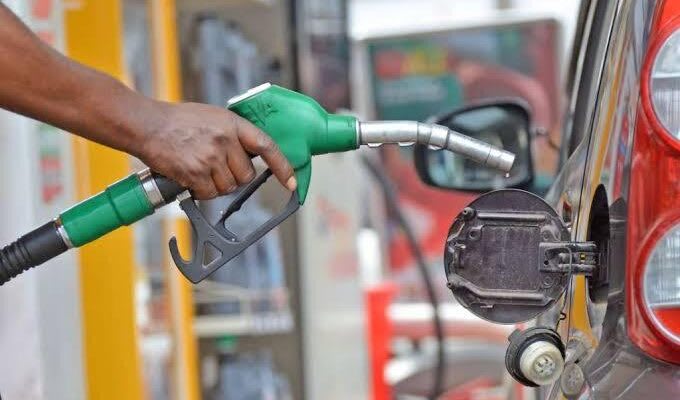
Food, electricity, transport and other essential expenses have a disproportionate impact on lower-income households. Consequently, an economy can record improving macroeconomic indicators while many citizens continue to experience economic hardship.
This is one of the central challenges of Zambia's recovery: macroeconomic stability must eventually become household-level economic security.
A new IMF programme is now part of the conversation
Zambia completed its previous US$1.7 billion IMF programme in January 2026, a programme that played an important role in supporting the country's stabilisation and debt restructuring process.
The government is now seeking a possible successor programme, with discussions expected to continue following the August 2026 elections. The stated objective is increasingly focused on attracting investment and supporting growth in mining, energy and agriculture rather than simply managing a crisis.
This represents an important transition.
The first IMF programme was largely about restoring credibility and stabilising public finances. The next phase should ideally be about creating the conditions for private investment, productivity and structural transformation.
The election is an economic event as much as a political one
Zambia's August 2026 general election comes at a particularly consequential moment for the economy.
Investors will be watching policy continuity, fiscal management, the future of the IMF relationship, mining policy, energy reforms and the government's ability to convert Zambia's mineral wealth into broader economic growth.
The election itself introduces uncertainty, but the larger issue is what happens afterwards.
Zambia needs a policy environment capable of attracting long-term capital while maintaining fiscal credibility. It also needs to ensure that investment produces jobs, local supply chains and productive capacity rather than simply increasing the export of raw materials.
The bigger challenge: growth is not enough
Perhaps the most important distinction in assessing Zambia's economy in 2026 is the difference between economic recovery and economic transformation.
Recovery means returning to growth after drought, debt distress and energy shortages.
Transformation means changing the structure of the economy so that future growth is less vulnerable to copper prices, rainfall and external financing conditions.
That requires greater productivity in agriculture, deeper manufacturing capacity, stronger domestic firms, better infrastructure, digitalisation, reliable energy and a much larger pool of skilled workers.
It also requires Zambia to think differently about data and technology.
The country's next economic opportunity may not simply come from exporting more commodities. It may come from building the digital, financial and physical infrastructure that allows businesses, schools, farms, mines and government institutions to operate more efficiently.
2026: a year of transition
Zambia's economy in 2026 is therefore best understood as an economy in transition.
The country has moved considerably further away from the acute debt crisis of the early 2020s. Debt restructuring has progressed, economic activity has recovered from the drought, mining investment remains strong and the long-term copper opportunity is substantial.
But the next stage will be harder.
The country must convert macroeconomic stability into productive investment, employment and rising incomes. It must strengthen energy security, diversify agriculture and manufacturing, deepen local participation in mining and maintain fiscal discipline.
The central economic question for the next decade is therefore not whether Zambia can grow.
It is whether Zambia can turn growth into structural transformation.
Copper may provide the capital. Agriculture may provide the employment. Energy may provide the foundation. Technology may provide the productivity gains.
But ultimately, Zambia's economic transformation will depend on whether these elements can be connected into a coherent productive economy.
2026 may therefore be remembered less as the year Zambia completed its recovery—and more as the year the country began confronting the much harder question of what it wants its post-debt economy to become.